
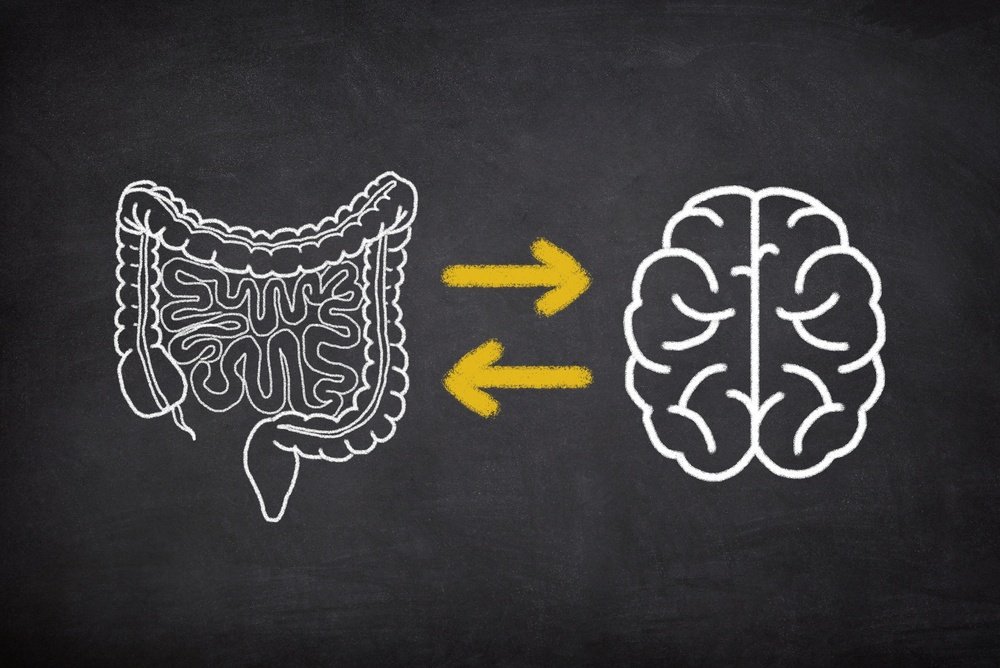
Think about leaving hospital after remedy for anorexia nervosa. Your weight has improved, meals are now not supervised, and you might be anticipated to make selections about when and the way a lot to eat. However what if starvation is tough to recognise, or feeling full continues to trigger misery? Weight restoration is a vital a part of remedy, but it surely doesn’t essentially imply that consuming feels snug or intuitive once more.
These difficulties matter in the course of the transition from inpatient remedy to on a regular basis life, when relapse threat stays excessive (Khalsa et al., 2017). One attainable clarification for this persistent threat entails interoception: our potential to sense and interpret alerts from inside the physique. Earlier analysis has explored how interoception could also be disrupted in folks with consuming problems, together with how they expertise starvation, fullness and different sensations from the intestine (Khalsa et al., 2022). A earlier Psychological Elf weblog additionally mentioned difficulties recognising starvation and fullness amongst autistic folks with restrictive consuming problems (Fraser Allen Okay., 2026).
Verdonk and colleagues (2026) took an progressive method to this query. Utilizing a swallowable vibrating capsule, they investigated gastrointestinal interoception in women and girls with the proscribing subtype of anorexia nervosa following weight restoration. Additionally they examined whether or not members’ responses have been related to relapse and consuming dysfunction symptom severity six months later.

Strategies
The examine used a randomised crossover experiment to check 62 feminine inpatients with restricting-type anorexia nervosa, assessed after weight restoration (outlined as a physique mass index of at the least 18.5 kg/m2), with 57 feminine members with out a psychiatric dysfunction of comparable ages.
Every participant swallowed a capsule that delivered mild and powerful vibrations in two randomly ordered blocks. Individuals pressed a button every time they detected a vibration and launched it when the feeling stopped. The researchers measured detection accuracy, electrical mind responses (utilizing electroencephalography) and scores of starvation and intestine sensations.
A pc mannequin estimated members’ expectations concerning the vibrations and the way these expectations modified in the course of the job. Group comparisons accounted for age and physique mass index.
Six months after the experiment, 54 members with anorexia nervosa accomplished a follow-up evaluation of self-reported consuming dysfunction signs, behaviours and weight.
Outcomes
Folks with anorexia nervosa had extra issue detecting refined intestine alerts
Individuals with anorexia nervosa confirmed considerably decrease accuracy in detecting gentler vibrations than wholesome comparability members (Cohen’s d = -0.98; 95% confidence interval -1.51 to -0.44). These with anorexia nervosa have been extra prone to miss these vibrations, whereas there was no vital distinction between teams in detecting stronger vibrations. Total, members with anorexia nervosa have been additionally much less prone to press the button to point that that they had detected a vibration.
This can be related to understanding how folks expertise much less intense bodily sensations throughout restoration.
Expectations and studying differed
The pc mannequin steered that members with anorexia nervosa started with a stronger expectation that vibrations could be absent, though the proof for this distinction was comparatively weak.
The mannequin additionally steered that, in contrast with wholesome comparability members, these with anorexia nervosa up to date their expectations much less when vibrations occurred and extra when vibrations have been absent. The mannequin estimated that members with anorexia nervosa confirmed a larger improve within the weight assigned to incoming intestine alerts as stimulation depth elevated, though there was no vital distinction between teams within the total weight assigned to those alerts.
This sample means that expectations and studying could contribute to difficulties detecting intestine sensations in anorexia nervosa.
Mind responses and starvation in the course of the experiment
Each teams confirmed electrical mind responses to the vibrations, with bigger responses to stronger stimulation. The general measurement of those responses didn’t differ considerably between teams. Nonetheless, variations in mind responses between the 2 stimulation intensities emerged earlier and lasted longer in members with anorexia nervosa.
Starvation scores elevated in the course of the experiment in each teams, with a bigger improve amongst members with anorexia nervosa, who initially reported decrease ranges of starvation. The examine didn’t set up whether or not the vibrations brought on this transformation, as there was no separate comparability situation with out stimulation.
Intestine responses have been related to subsequent relapse
At six-month follow-up, 16 of the 54 members with anorexia nervosa (30%) had skilled full relapse.
Stronger preliminary expectations that vibrations could be absent (estimated by the pc mannequin), a larger tendency to not report vibrations throughout gentler stimulation, and larger self-reported intestine unpleasantness in the course of the experiment have been related to greater odds of relapse. The next proportion of missed gentler vibrations, larger modifications within the weight assigned to intestine alerts between stimulation intensities, stronger preliminary expectations that vibrations could be absent, and scores of intestine sensations have been additionally related to larger consuming dysfunction symptom severity at follow-up.
For response bias (the tendency to not report gentler vibrations), the chances ratio for relapse was 5.37, with a 95% confidence interval of 1.15 to 32.04. The broad interval leaves appreciable uncertainty concerning the power of the affiliation.

Conclusions
The authors concluded that gastrointestinal interoception was disrupted throughout a number of domains in females with anorexia nervosa after weight restoration. A number of measures of intestine interoception have been related to subsequent relapse and consuming dysfunction symptom severity. They proposed that the vibrating capsule and computational modelling might present scalable instruments for monitoring remedy response and guiding relapse prevention.

Strengths and limitations
One of many main strengths of this examine is its progressive method to measuring gastrointestinal interoception. The capsule allowed the researchers to ship repeated, managed stimulation to the intestine and examine responses at two intensities. Earlier work had proven that wholesome volunteers might detect the capsule’s vibrations and that stronger stimulation produced bigger mind responses (Mayeli et al., 2023). This examine prolonged the method to folks with anorexia nervosa after weight restoration.
Combining behavioural efficiency, mind recordings, computational modelling and subjective scores captured a number of facets of interoception. The six-month follow-up additionally allowed the researchers to look at whether or not laboratory measures have been related to outcomes after discharge.
The medical pattern was nonetheless slender: feminine sufferers with restricting-type anorexia nervosa from a single remedy programme. Treatment and different medical variations could have influenced efficiency, while the slender pattern limits generalisability to broader consuming dysfunction populations. For instance, 92% of members with anorexia nervosa have been taking psychiatric medicine, making it tough to disentangle the results of the situation from these of its remedy.
The capsule measures how precisely members detect mechanical vibrations. Detection accuracy may have been influenced by members’ tendency to not report vibrations, making it tough to tell apart difficulties sensing intestine alerts from variations in how members responded to them. It’s unclear how responses to the capsule relate to the starvation, fullness or discomfort folks with anorexia nervosa expertise throughout meals. As a result of the duty was accomplished at one cut-off date, the examine can not present whether or not these variations have been current earlier than sickness or how they could change throughout restoration.
The relapse findings must be thought-about exploratory. Solely 16 members skilled full relapse, follow-up outcomes relied on remotely collected self-report, and confidence intervals have been broad. The comparatively quick follow-up additionally signifies that longer-term outcomes stay unknown. Eight members with anorexia nervosa have been additionally misplaced to follow-up, and we can not rule out the chance that their medical outcomes differed from those that accomplished the examine. Moreover, an affiliation with subsequent relapse doesn’t essentially imply {that a} measure can precisely determine which particular person sufferers will relapse. Bigger unbiased samples are wanted to ascertain how reliably these measures predict outcomes.

Implications for observe
The examine focuses on difficulties which will persist after weight restoration in anorexia nervosa. Dietary rehabilitation is important, and restoration additionally entails rebuilding a extra snug and dependable relationship with bodily sensations.
Clinicians might discover how sufferers recognise starvation, expertise fullness and interpret intestine discomfort. Do these sensations trigger anxiousness or contribute to avoidance round meals? Understanding these experiences alongside dietary consumption could assist clarify why consuming stays tough. Sufferers could discover a bodily sensation however really feel uncertain what it means or methods to reply.
The findings concerning expectations and studying additionally elevate attention-grabbing questions for psychological remedy. May serving to folks with anorexia nervosa recognise bodily sensations and develop extra versatile beliefs about what these sensations imply assist restoration? Interventions that focus on the communication between the intestine and mind might be price exploring alongside current therapies, though their effectiveness stays to be established.
Repeated assessments throughout sickness and restoration would assist set up whether or not difficulties sensing and decoding intestine alerts change with remedy. Researchers might additionally take a look at whether or not these measures add to the knowledge already out there from medical assessments when assessing relapse threat. That is significantly vital earlier than contemplating the capsule as a medical device for figuring out folks at larger threat of relapse.
The rise in starvation in the course of the experiment raises a separate query. Managed research with an acceptable comparability situation might examine whether or not intestine stimulation modifications appetite-related experiences and whether or not that impacts consuming. Recognising starvation doesn’t essentially imply that somebody feels snug responding to it, significantly if starvation or consuming itself causes anxiousness. Folks with lived expertise might assist determine which sensations matter most to them and whether or not the process is appropriate.
As a researcher working in consuming problems, I discover using the capsule attention-grabbing as a result of it presents a option to examine sensations that may be tough to explain. The following query is how responses to this job relate to what folks expertise round meals outdoors the laboratory.
So, how can we offer higher assist to these leaving hospital after remedy for anorexia nervosa when starvation stays tough to recognise and fullness continues to trigger misery? Serving to folks recognise, interpret, and reply to bodily sensations alongside weight restoration could also be an vital step in direction of supporting long-term restoration and stopping relapse.

Assertion of pursuits
Xinyang Yu (she/her) has no conflicting pursuits to declare.
Editor
Edited by Éimear Foley. ChatGPT assisted with language refinement and formatting in the course of the editorial part.
Hyperlinks
Major paper
Charles Verdonk, Keller Mink, Emily Choquette, Scott E. Moseman, Ahmad Mayeli, Jennifer L. Stewart, Martin P. Paulus, Ryan Smith, Sahib S. Khalsa (2026) Gastrointestinal interoception and relapse in anorexia nervosa. JAMA Psychiatry 2026 83(9) 902-911. https://doi.org/10.1001/jamapsychiatry.2026.1301
Different references
Fraser Allen Okay (2026). Autism and restrictive consuming problems: a battle of the senses. The Psychological Elf, 1 Jul 2026.
Khalsa, S. S., Berner, L. A., & Anderson, L. M. (2022). Gastrointestinal Interoception in Consuming Issues: Charting a New Path. Present Psychiatry Stories, 24(1), 47–60. https://doi.org/10.1007/s11920-022-01318-3
Khalsa, S. S., Portnoff, L. C., McCurdy-McKinnon, D., & Feusner, J. D. (2017). What occurs after remedy? A scientific overview of relapse, remission, and restoration in anorexia nervosa. Journal of Consuming Issues, 5(1), 20. https://doi.org/10.1186/s40337-017-0145-3
Mayeli, A., Al Zoubi, O., White, E. J., Chappelle, S., Kuplicki, R., Morton, A., Bruce, J., Smith, R., Feinstein, J. S., Bodurka, J., Paulus, M. P., & Khalsa, S. S. (2023). Parieto-occipital ERP indicators of intestine mechanosensation in people. Nature Communications, 14(1), 3398. https://doi.org/10.1038/s41467-023-39058-4


